


kitesurf in essaouira
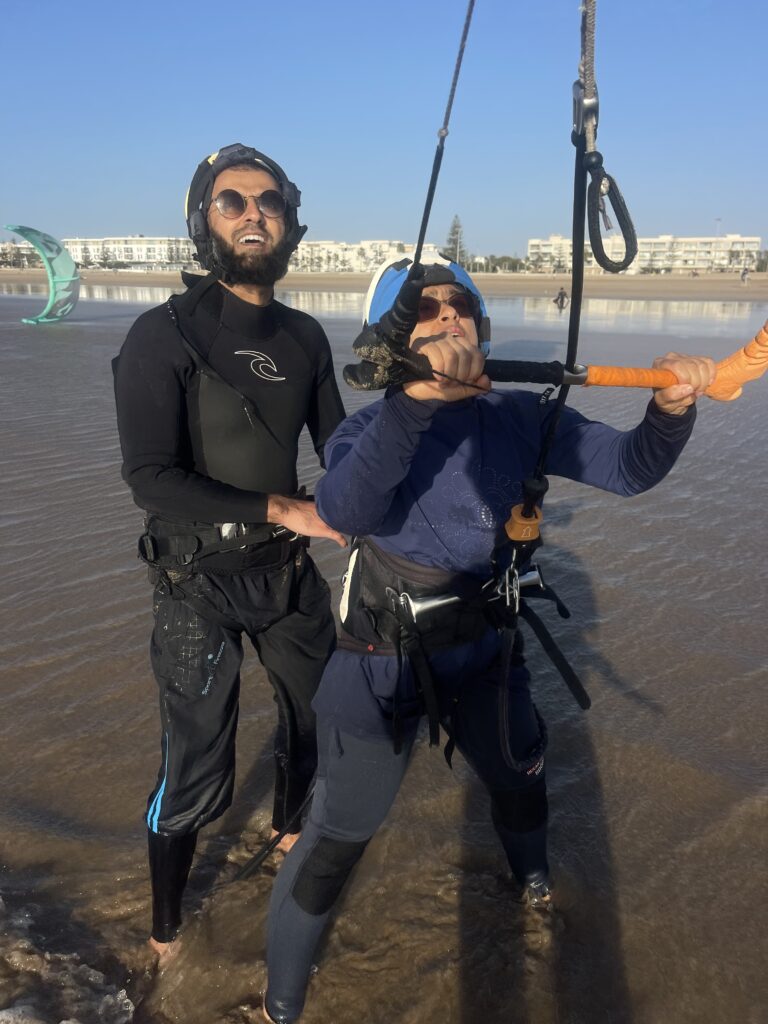
Kitesurf in Essaouira – Ultimate 2025 Guide
Focus keyword: kitesurf in essaouira

kitesurf in essaouira is an experience that blends reliable Atlantic wind, wide sandy beaches, and a creative coastal culture. This guide covers everything you need to know: wind and seasons, best spots, lesson timelines, equipment, safety, local tips, practical travel advice, and recommended schools. Read on to plan your perfect trip to learn, progress, or simply enjoy kitesurfing in Essaouira.
Why kitesurf in Essaouira?
Short answer: consistency and culture. To kitesurf in Essaouira is to enjoy predictable thermal winds, safe cross-onshore directions, and beaches that welcome learners and pros alike. The town’s medina and port add a cultural layer—after a session you can stroll the old streets, eat fresh fish, and listen to Gnawa music. For many riders the combination of reliable conditions and authentic Moroccan charm makes Essaouira their favorite kitesurf destination.
The wind funnel effect across the bay means that kitesurf in Essaouira provides both gentle training conditions and powerful performance days. Schools operate year-round and many international riders plan extended stays to progress quickly.
Wind & seasons for kitesurf in Essaouira
Understanding the wind calendar helps you decide when to visit. If you’re planning to kitesurf in Essaouira, consider the following seasonal breakdown:
Spring (March–May)
Spring brings steady winds and mild temperatures. Waves are moderate and mornings can be glassy. This period is ideal for learners transitioning to independent riding.
Summer (June–August)
Classic season for kitesurf in Essaouira. The Alizé trade winds strengthen in the afternoon, often 20–35 knots. Mornings can be calmer—perfect for early sessions or lessons. Expect busy beaches but also the most reliable wind.
Autumn (September–October)
Autumn is another sweet spot with clean swell and stable winds—excellent for both freestyle and wave riding. Temperatures remain warm into October.
Winter (November–February)
Winters are cooler and less consistent, but still offer good kitesurf days. Advanced riders chase bigger Atlantic swells and calmer crowds. Bring a 4/3 wetsuit for winter sessions.
Practical note: always check micro-forecast tools before you plan sessions—Windy and Windguru are widely used by local schools and riders.
Best spots to kitesurf in Essaouira
Essaouira and its surroundings host multiple kitesurf spots that suit different levels and styles. Below are the main ones you should know if you want to kitesurf in Essaouira.
Essaouira Main Beach
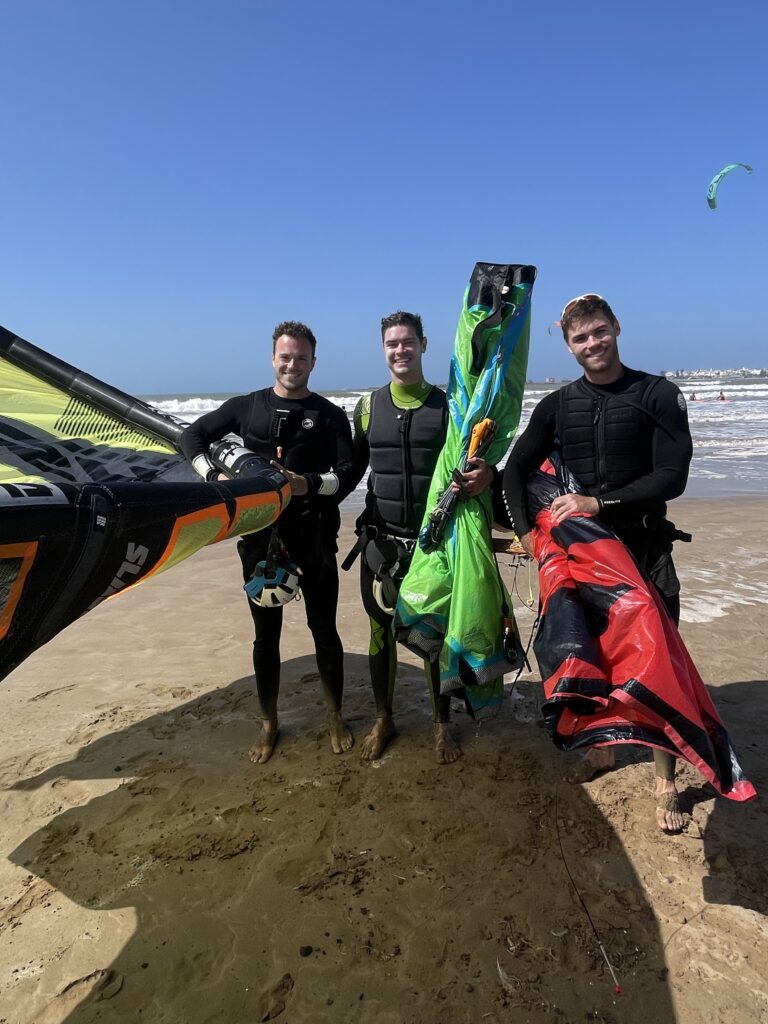
The town’s main beach is the default spot for lessons and relaxed sessions. Wide sand, gentle entry, and cross-onshore winds make it perfect for first-time riders and freestyle practice. Many schools set up launch zones along this bay.
Sidi Kaouki
About 25 minutes south, Sidi Kaouki offers longer open coastline and stronger waves—ideal for strapless riding and downwinders. It’s a favorite for intermediate to advanced riders who want more space and a raw coastal vibe.
Moulay Bouzerktoun
This is for advanced wave riders. Moulay is a powerful point break with consistent winter swells. Only go here with local knowledge or guided coaching.
Diabat & Oued Ksob
Smaller coves and river mouths around Essaouira can offer sheltered conditions and interesting local exploration when the wind or swell change. Local riders often know the micro-locations for the best sessions.
How to learn kitesurf in Essaouira (hours & courses)
One of the most common questions is: how many hours do I need to kitesurf in Essaouira independently? The answer depends on prior board experience, fitness, and lesson frequency.
Typical learning timeline
- 3–6 hours: Theory, kite control on land (trainer kite), safety systems.
- 6–12 hours: Body dragging, water relaunch, first assisted waterstarts.
- 12–20 hours: Consistent waterstarts and short independent rides.
- 20–30 hours: Confident upwind riding, transitions, basic tricks—independent on most days.
In Essaouira, many schools pack hours across consecutive days to accelerate progress—this is the recommended approach. For a solid plan book at least 12–20 hours across 4–6 days to become a confident rider in local conditions.
Gear & equipment for kitesurf in Essaouira
Choosing the right gear is crucial to a comfortable and safe experience when you kitesurf in Essaouira. Below are practical recommendations.
Kites
Summer: riders commonly bring 5–9m kites (smaller sizes for heavier winds). Spring/Autumn: 7–12m depending on weight and wind. Winter: 9–14m may be required on lighter days.
Boards
Twin-tip for most riders; directional or strapless boards for wave sessions at Sidi Kaouki or Moulay.
Wetsuits
3/2 mm is usually enough in warm months; 4/3 mm recommended for winter. Booties are optional but useful on chillier mornings.
Safety
Helmet, impact vest, quick-release systems, and a competent rescue plan are essential. Carry a local SIM and have school contact numbers saved before your first solo session.
Safety tips for kitesurf in Essaouira
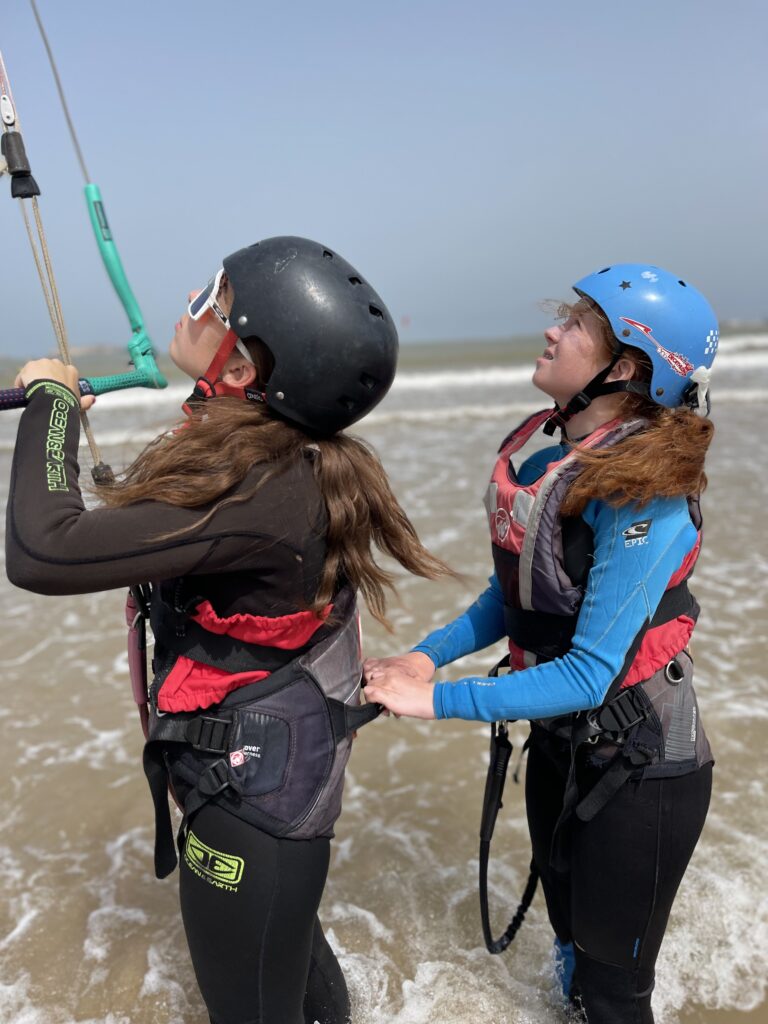
Safety is the foundation of an enjoyable kitesurf trip. To kitesurf in Essaouira safely, follow these local rules and general best practices:
- Always check the local wind forecast (Windguru / Windy) and tide charts before launching.
- Use a certified school for your first lessons—local instructors know the launch zones and hazards.
- Never kite too close to the port, rocks, or crowded beach areas.
- Use a leash only as recommended by your instructor—know how to activate quick release.
- Respect local signage and lifeguard flags.
- If conditions feel beyond your skill level, wait or take a lesson—conditions can change quickly.
Local schools run designated launch and recovery areas which greatly reduce risk—follow their instructions and you’ll have a safe, rewarding experience kitesurfing in Essaouira.
Recommended kitesurf schools in Essaouira
There are many schools in Essaouira offering certified instruction, rentals, and guided trips. Popular, well-reviewed options include local outfits with IKO/VDWS-certified instructors. Book lessons that include equipment, insurance, and a clear hour breakdown so you track progression. Here are types of packages to look for:
- Intro day (3–4 hours): theory + trainer kite + supervised body drag.
- Beginner package (10–15 hours): full waterstart curriculum and supervised independent practice.
- Advanced coaching: wave riding, strapless technique, big air.
- Guided downwind trips to Sidi Kaouki or Moulay for experienced kiters.
Most schools will also offer airport transfers, accommodation referrals, and combined surf/kite packages—great if you bring a non-riding partner.
Where to stay for kitesurf in Essaouira
Accommodation choices range from charming riads in the medina to beachfront hotels with direct access to the kitesurf area. For convenience when you kitesurf in Essaouira, consider these options:
- Medina riads: atmospheric, close to town life, great for evenings and dining.
- Seafront hotels: easy beach access, often provide storage and rinse facilities.
- Guesthouses / surf camps: affordable, social, often include lessons and gear rentals.
Book early in high season (June–August) and check if the place offers secure storage for your kit and a place to dry wetsuits.
Local culture & lifestyle when you kitesurf in Essaouira
Part of the reason people return to kitesurf in Essaouira is the town’s culture. Essaouira is an artistic city—galleries, music, and crafts are everywhere. The morning after a session you can buy fresh fish at the port, have mint tea with locals, and in the evening hear Gnawa rhythms in small venues. Respect local customs and dress codes in public spaces—modest but relaxed clothing is appreciated.
Eating locally and engaging with small businesses supports the community that welcomes riders year after year.
Sample 5-day itinerary to kitesurf in Essaouira
This suggested itinerary helps you make the most of a short kitesurf trip to Essaouira:
Day 1 — Arrival & orientation
Settle into your riad, meet your school, get a safety briefing, and try a trainer kite on the beach.
Day 2 — Boatless practice & body dragging
Full day focused on water relaunch, body drags, and relaunch techniques. Short debrief and video review in the evening.
Day 3 — Waterstarts & first independent rides
Concentrated waterstart work and assisted rides—aim for consistent short independent runs by the end of the day.
Day 4 — Consolidation & small downwind
Practice upwind riding, turns, and an easy guided downwind to Sidi Kaouki if conditions and skill allow.
Day 5 — Optional coaching / free session
Private coaching for tricks or an independent session to enjoy everything you learned.
FAQs: kitesurf in Essaouira
Is Essaouira good for beginners?
Yes. Cross-onshore winds and wide sandy beaches create a forgiving environment for learning to kitesurf in Essaouira.
When is the best time to visit?
June–August for the strongest and most consistent winds; April–June and September–October for milder conditions ideal for learning.
Do schools provide equipment?
Yes. Most certified schools include kite, board, harness, helmet, and wetsuit in lesson packages.
Is it expensive?
Costs are generally lower than many European destinations. Lesson packages and rentals are competitively priced.
Useful links & resources
Conclusion: Make your plan to kitesurf in Essaouira
If you’re ready to kitesurf in Essaouira, you’re choosing one of the world’s most rewarding wind destinations. Reliable conditions, world-class schools, varied spots, and a welcoming town mean you can progress quickly, enjoy long flat-water runs, or challenge yourself on surfboards and downwinders. Pack smart, book lessons with certified instructors, and balance time on the water with exploring Essaouira’s medina, port, and culinary scene. See you on the water—this is a place where riders come to learn, grow, and return year after year.
© 2025 Kite Surf Essaouira – Plan your trip at kite-surf-essaouira.com.