


Kitesurf
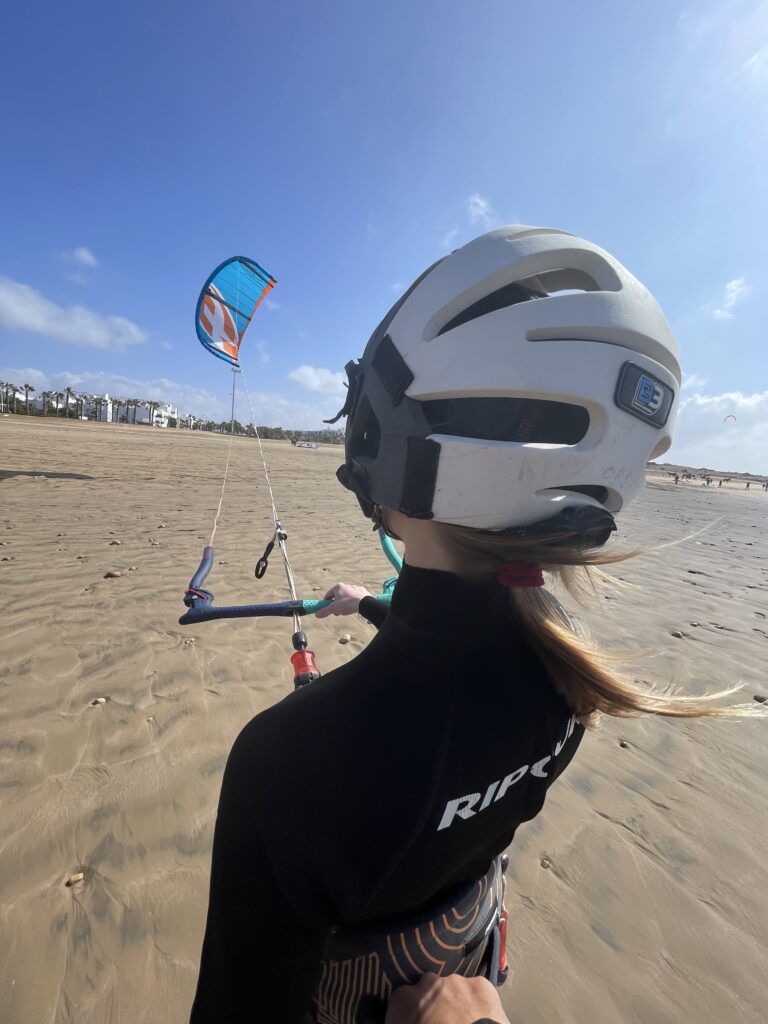
Kitesurf: The Ultimate 2500+ Word Guide to the World’s Most Addictive Water Sport

kitesurf is not just a sport; it is a powerful combination of wind, water, freedom, and adrenaline. From calm lagoons to wild ocean waves, kitesurfing allows riders to harness nature’s energy and transform it into pure movement and excitement. Over the past two decades, kitesurf has evolved from an extreme niche activity into one of the most popular water sports worldwide.
This extended guide is designed for beginners, travelers, and curious enthusiasts who want to understand kitesurf deeply. You will learn how it works, how to start safely, what equipment you need, how long it takes to learn, and why kitesurf becomes a lifestyle for so many people around the world.
What Is Kitesurf?
kitesurf, also called kitesurfing, is a wind-powered water sport where the rider stands on a board and controls a large kite using a control bar and harness. The kite captures wind energy and pulls the rider across the water, allowing movement, jumps, and tricks.
Unlike surfing, which relies on waves, kitesurf works mainly with wind. This makes it possible to practice in a wide range of environments, including oceans, lakes, lagoons, and shallow bays.
The Origins and Evolution of Kitesurf
The story of kitesurf begins in the late 20th century when innovators experimented with traction kites. Early versions were difficult to control and lacked safety systems.
During the late 1990s and early 2000s, inflatable kites, depower systems, and safety releases revolutionized kitesurf. These innovations transformed kitesurf into a safer and more accessible sport, opening the door to mass adoption.
Today, kitesurf technology continues to evolve with lighter materials, foil boards, and advanced kite designs.
How Kitesurf Works
At its core, kitesurf relies on aerodynamics. The kite flies within a “wind window,” and when it moves through the air, it generates lift and pull.
The rider controls speed and direction by edging the board, adjusting body position, and steering the kite.
Understanding Wind Theory in Kitesurf
Understanding wind is essential for safe kitesurf. Riders must know wind direction, strength, gusts, and thermal effects.
- Side-onshore wind is ideal
- Offshore wind is dangerous
- Thermal winds increase in the afternoon
Learning wind theory is one of the first steps taught in any professional kitesurf course.
Complete Kitesurf Equipment Guide

To practice kitesurf safely and efficiently, you need specialized equipment designed for wind sports.
Main Kitesurf Equipment
- Kite: Inflatable LEI or foil kite
- Board: Twin-tip, surfboard, or foil board
- Harness: Waist or seat harness
- Control bar: Used to steer the kite
- Safety systems: Quick-release and leash
How to Learn Kitesurf Step by Step
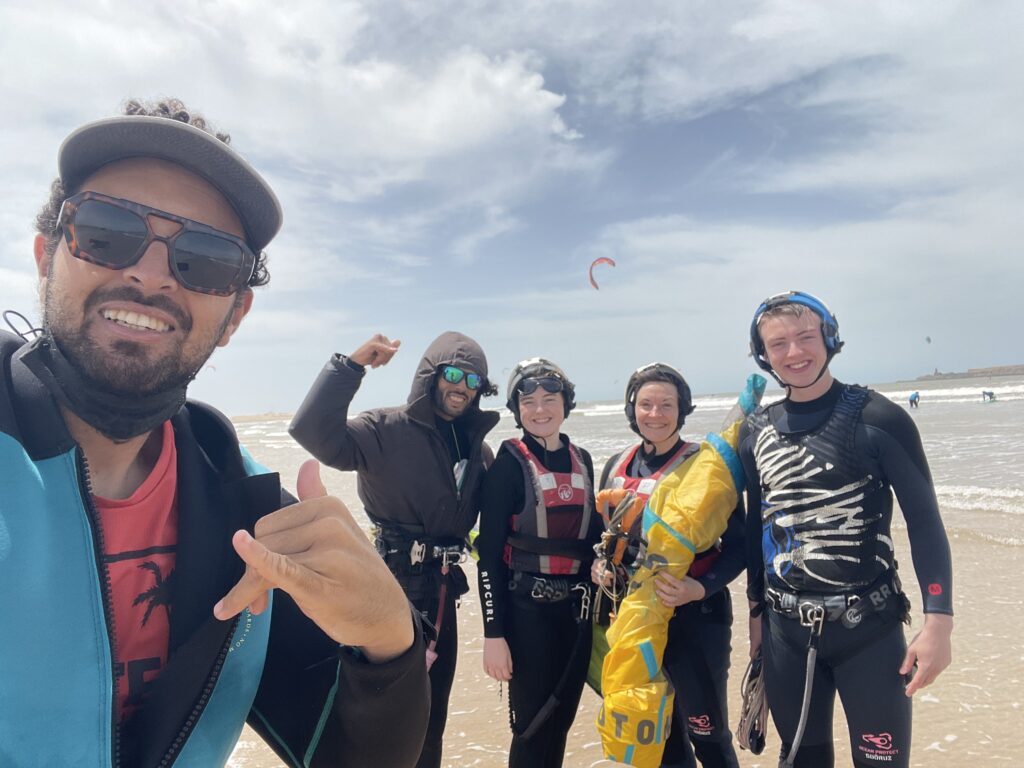
Learning kitesurf should always be done with certified instructors.
Beginner Progression
- Wind theory and safety rules
- Kite control on land
- Body dragging in water
- Water start technique
- First controlled rides
International organizations such as IKO provide standardized teaching methods.
How Long Does It Take to Learn Kitesurf?
Learning time in kitesurf depends on wind conditions, physical fitness, and lesson quality.
- 6–9 hours: basic kite control
- 12–15 hours: water start
- 20–30 hours: independent riding
Best Conditions for Kitesurf
Choosing the right conditions is critical for safe kitesurf.
- Wind: 15–30 knots
- Side-onshore direction
- Flat water or small waves for beginners
- Clear launch area
Essential Kitesurf Safety Rules
Safety is the foundation of kitesurf.
- Never kite beyond your level
- Always inspect equipment
- Use safety systems correctly
- Respect right-of-way rules
- Wear protective gear
Different Kitesurfing Styles
kitesurf offers many styles depending on rider preference:
- Freeride
- Freestyle
- Wave riding
- Big air
- Foil kitesurf
Best Places in the World to Kitesurf
Some of the world’s best destinations for kitesurf include:
- Essaouira – Morocco
- Dakhla – Morocco
- Tarifa – Spain
- Cumbuco – Brazil
- Cabarete – Dominican Republic
Kitesurf Travel & Lifestyle
For many riders, kitesurf becomes a lifestyle centered around travel, freedom, and connection with nature.
Kitesurfers often plan their lives around wind seasons, moving between destinations to follow perfect conditions.
Health and Mental Benefits of Kitesurf
Practicing kitesurf provides exceptional physical and mental benefits:
- Full-body workout
- Improved balance and coordination
- Stress relief
- Increased confidence
The Future of Kitesurf
The future of kitesurf looks promising with continued innovation, eco-friendly materials, and growing global communities.
Conclusion: Why Kitesurf Is Worth Learning
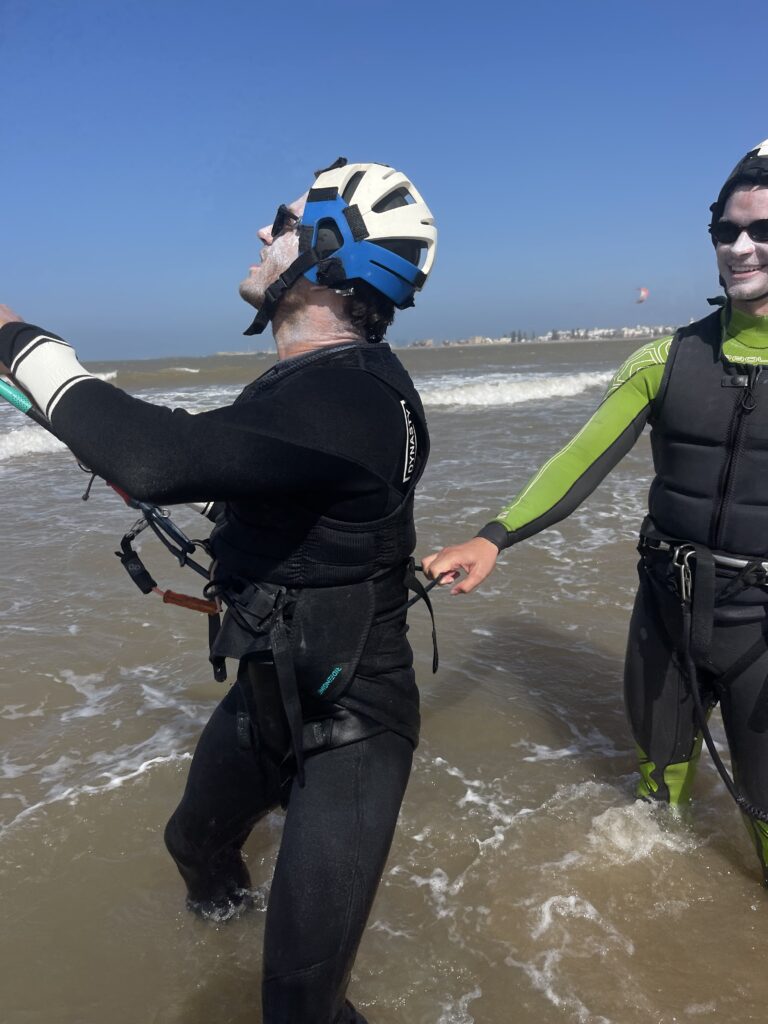
kitesurf is one of the most rewarding and exciting water sports available today. It offers adventure, freedom, fitness, and a deep connection with nature.
If you are looking for a sport that challenges you physically and mentally while opening the door to global travel and unforgettable experiences, kitesurf is the perfect choice.
© 2025 | Ultimate Kitesurf Extended Guide