


best wind to do kitesurf
The Best Wind to Do Kitesurf – Complete Guide for Beginners

1. Introduction: Why Wind Matters in Kitesurfing
When learning kitesurfing or improving your skills, understanding the best wind to do kitesurf is essential. Wind is the power behind your kite and directly influences your control, speed, and safety. Too little wind and you can’t ride. Too much wind and it becomes dangerous. The balance lies in knowing the perfect conditions for your skill level and equipment.
For beginners and pros alike, knowing the wind’s strength and direction helps determine where and when to go out. That’s why professional instructors always check forecasts before each session. Websites like Windguru and Windy are excellent tools to check wind conditions anywhere in the world.
2. What Is the Best Wind to Do Kitesurf?
The best wind to do kitesurf usually ranges between 12 to 25 knots (14–29 mph or 22–46 km/h). This range allows the kite to generate steady, controllable power without becoming overpowered. It’s the sweet spot for most riders.
- Beginners: 12–18 knots
- Intermediate: 15–25 knots
- Advanced: 20–30 knots (with smaller kites)
Wind consistency is just as important as wind speed. Gusty or irregular winds make it difficult to control the kite. A smooth, constant wind creates a safer and more enjoyable session.
3. Understanding Wind Speed for Kitesurfers
Wind speed determines how much power the kite can generate. It varies depending on the type and size of your kite, your weight, and the board you use. As a general rule, the heavier the rider, the more wind or larger kite they need.
| Rider Weight | Kite Size (m²) | Wind Speed (knots) |
|---|---|---|
| 60–70 kg | 9–12 | 15–22 |
| 70–85 kg | 10–13 | 16–25 |
| 85+ kg | 12–15 | 18–28 |
When in doubt, always start with a smaller kite, especially if the wind is strong. Safety should always come first when determining the best wind to do kitesurf.
4. The Best Wind Direction for Kitesurfing
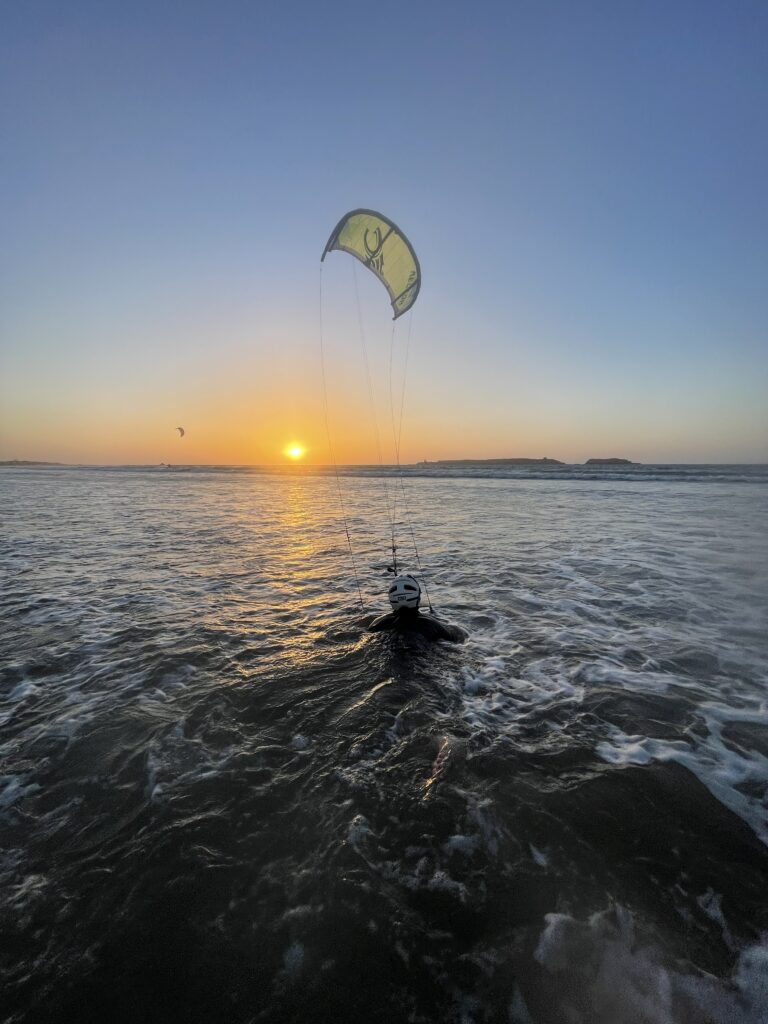
- Side-onshore wind: Perfect for all skill levels.
- Onshore wind: Safe but may cause choppy water.
- Side-offshore wind: Not safe unless supervised with a rescue boat.
- Offshore wind: Extremely dangerous—avoid at all costs.
Always check the wind direction at your local spot before launching your kite. Even the best wind to do kitesurf can become dangerous if it blows in the wrong direction.
5. How Wind Conditions Change by Location
Wind conditions vary around the world depending on local geography, temperature, and ocean currents. Coastal towns like Tarifa, Essaouira, and Cape Town are famous for their consistent winds. Desert areas or mountainous regions, on the other hand, can experience unpredictable gusts.
When traveling to new destinations, it’s smart to research the local wind season. For example, Essaouira in Morocco is known for its reliable trade winds from April to October—perfect for both surf and kitesurf lovers.
6. Why Essaouira Has the Best Wind for Kitesurf
Essaouira is a world-class destination for wind sports because it enjoys steady trade winds nearly all year long. The Alizé wind blows from the northeast and creates perfect side-onshore conditions along the bay. This makes Essaouira one of the most reliable places in the world to experience the best wind to do kitesurf.
During summer months (June to September), wind speeds in Essaouira often reach 20–25 knots daily. This consistency attracts riders from around the globe. Local schools like Kite Surf Essaouira offer professional lessons and equipment suited to every wind level.

7. Safety Tips for Riding in Different Winds
Even if you’ve found the best wind to do kitesurf, safety always comes first. Here are a few essential tips:
- Always check local weather and tides before heading out.
- Use the right kite size for the wind strength.
- Never ride alone—always have a buddy or instructor nearby.
- Learn self-rescue techniques before going out in strong winds.
- Wear a helmet and impact vest, especially in gusty conditions.
By respecting these guidelines, you’ll enjoy the sport while staying safe.
8. Choosing the Right Gear for the Wind
Your gear setup changes depending on the wind. For example, lighter winds require larger kites (12–15 m²) and bigger boards to generate enough power. Stronger winds call for smaller kites (6–9 m²) to maintain control. The goal is to balance power and comfort.
Additionally, keep your kite lines, bar, and harness in good condition. Regular maintenance ensures your equipment performs well, even in challenging conditions. Investing in a wind meter is also a great way to measure the real wind speed on the beach.
9. Conclusion
The best wind to do kitesurf depends on many factors, including your experience, gear, and location. For most riders, winds between 12–25 knots with a side-onshore direction offer the safest and most fun conditions. Places like Essaouira, with their steady trade winds, are ideal for both beginners and pros.
By understanding how wind affects your ride, you’ll not only improve your skills but also stay safe and make the most of every session. So, check the forecast, grab your kite, and let the wind take you on your next kitesurfing adventure!
For more information, visit Kite Surf Essaouira and explore the best schools, spots, and lessons tailored to your skill level.
