


What You Need to Learn Surfing
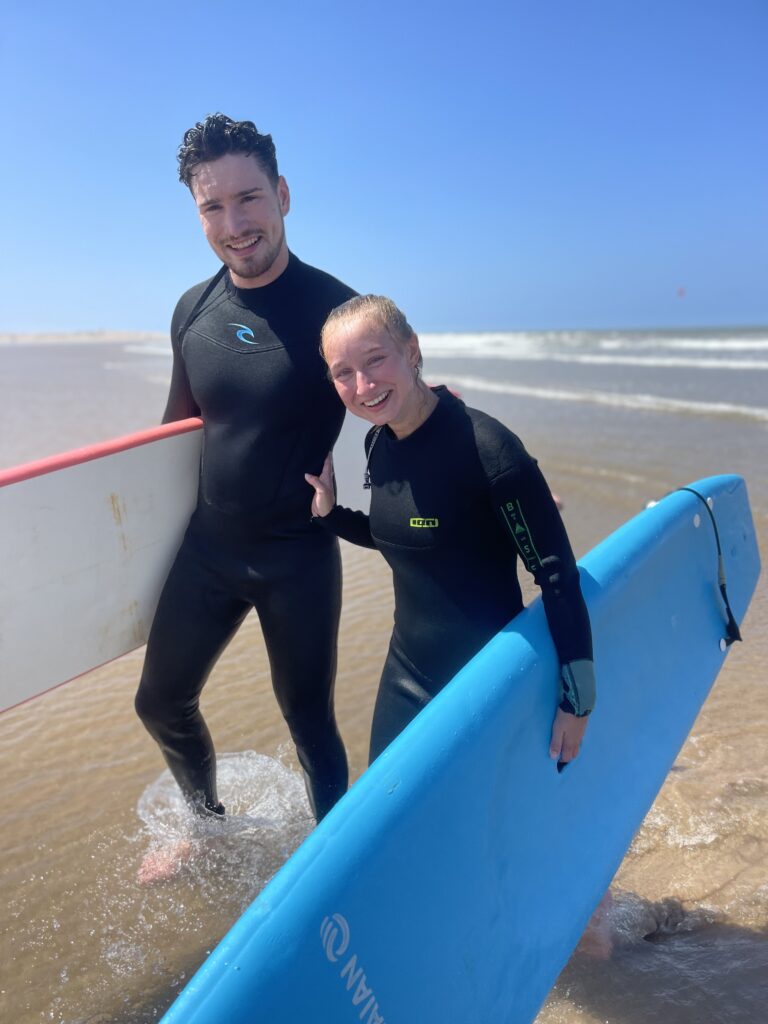
What You Need to Learn Surfing: Complete Beginner Surf Guide 2025
Focus Keyword: What You Need to Learn Surfing
If you’re ready to start your surfing journey, this guide will walk you through everything you need — from essential gear to technique, safety, and the best surf destinations for beginners.

2. What You Need to Learn Surfing: Essential Gear
Before hitting the waves, you’ll need to be properly equipped. Having the right surf gear ensures safety, comfort, and faster progress when learning. Here’s what you need to learn surfing in terms of basic equipment:
Surfboard
Your surfboard is your most important tool. Beginners usually start with a soft-top board between 7 to 9 feet long. These boards are more stable and forgiving, making it easier to stand and balance. Foam boards are ideal because they’re lightweight and less likely to cause injury if you fall.
Wetsuit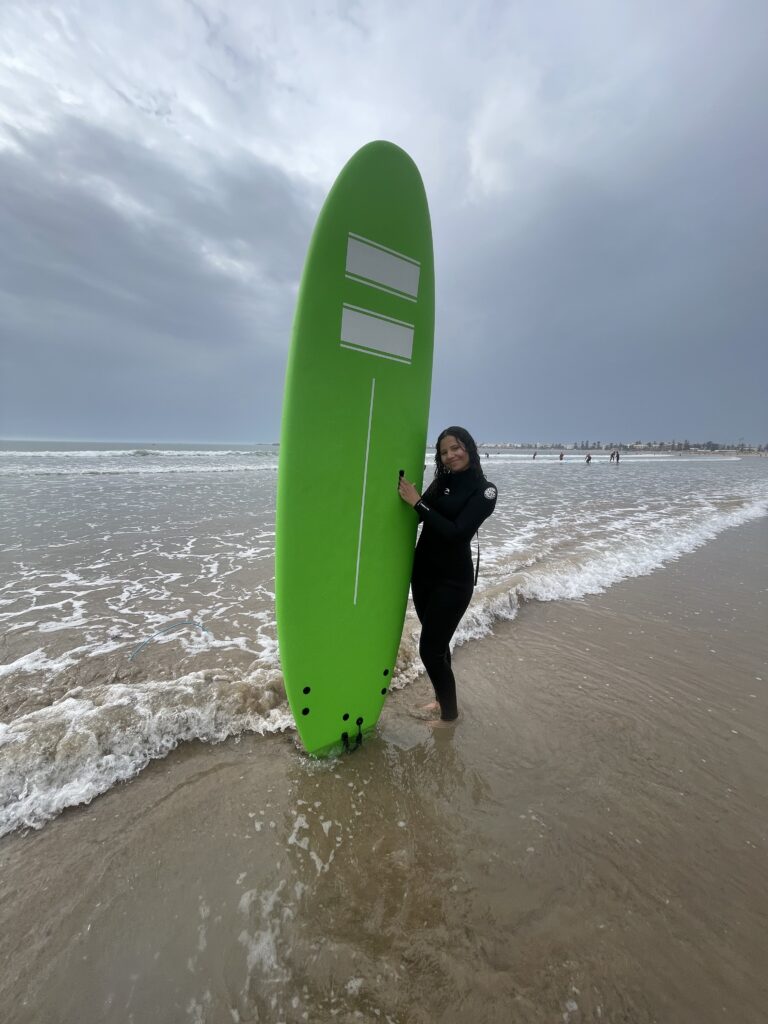
Depending on the water temperature, a wetsuit is essential to stay warm and protect your skin from rashes. For example, in surf spots like Essaouira, Morocco, the water ranges between 17–21°C, so a 3/2 mm wetsuit is perfect.
Leash
The leash keeps your surfboard attached to your ankle so you won’t lose it after a fall. Always make sure it’s strong and the correct length for your board.
Wax
Surf wax is applied to the top of your board to prevent slipping. Choose a wax suitable for the water temperature of your surf spot.
Sun Protection
Even on cloudy days, UV rays reflect off the water. A waterproof sunscreen, zinc for your face, and a surf hat or rash guard are essential parts of what you need to learn surfing safely.
3. Choosing the Right Surfboard
One of the biggest mistakes beginners make is choosing the wrong board. When considering what you need to learn surfing, the surfboard’s size, shape, and volume are key. Beginners should go for a longboard or funboard with more volume — it offers better stability and makes paddling easier.
Once you can paddle, pop up, and ride small waves consistently, you can transition to shorter boards designed for faster turns and bigger waves.
4. Basic Techniques for Beginners
Technique is everything in surfing. Here’s a quick breakdown of what you need to master when starting out:
- Paddling: The foundation of surfing. Use long, deep strokes to move efficiently toward the lineup.
- Pop-Up: The moment you move from lying down to standing. Practice this motion on the beach before entering the water.
- Stance: Find your balance with feet shoulder-width apart, knees bent, and eyes forward.
- Wave Reading: Learn to recognize how waves break and which ones are right for your level.
Practicing these basics on land first will speed up your learning in the water.
5. Understanding Ocean Conditions
Knowing ocean conditions is a big part of what you need to learn surfing. Waves, tides, and currents change constantly. Beginners should always surf in safe, lifeguard-supervised areas and check conditions before paddling out.
- Waves: Beginners should start with small, clean waves under one meter high.
- Tides: Low to mid-tide usually offers easier waves for learning.
- Currents: Understand rip currents and how to escape them — paddle parallel to the shore, not against the current.
- Wind: Morning sessions often have light offshore winds, perfect for smooth waves.
6. Surf Etiquette and Safety Tips
Respect and awareness are part of what you need to learn surfing. Every surfer shares the ocean, so following basic surf etiquette keeps everyone safe:
- Respect the lineup — wait your turn for waves.
- Don’t drop in on another surfer’s wave.
- Hold onto your board to avoid hitting others.
- Always check your surroundings before paddling for a wave.
- Smile and have fun — surfing is a community, not a competition!
Learning surf etiquette not only improves your confidence but also earns respect in the water.
7. Choosing a Surf School
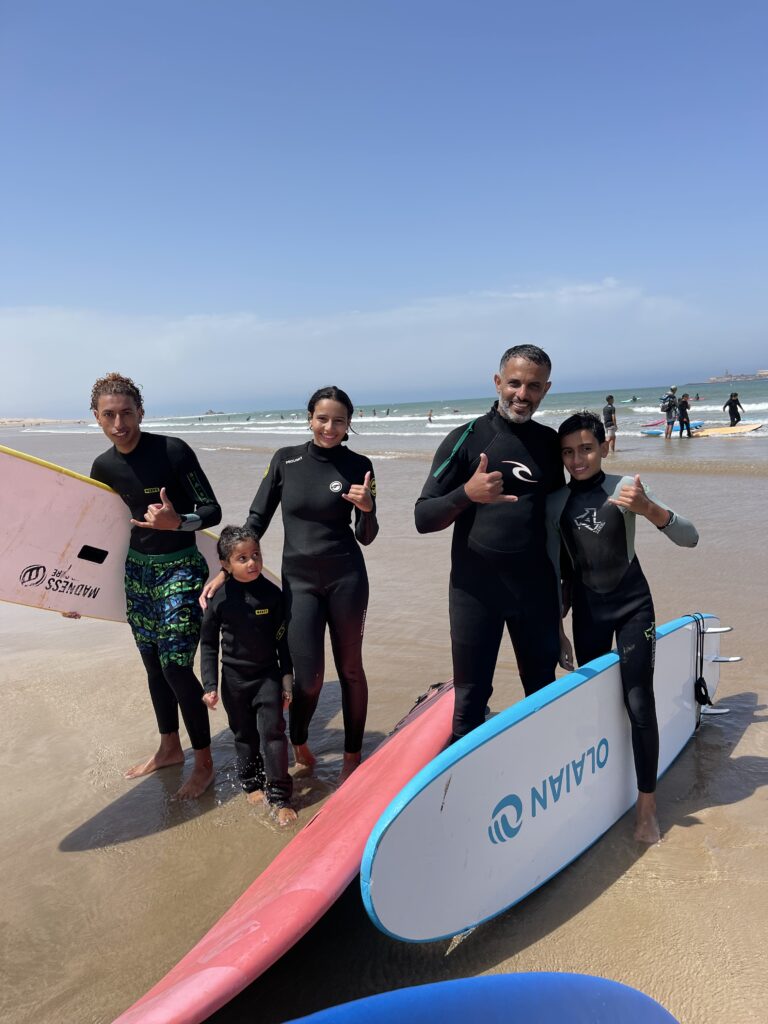
Joining a surf school is the fastest, safest, and most effective way to learn. Professional instructors guide you through ocean safety, paddling, and board control techniques. Instructors also help you avoid common mistakes that can slow your progress.
If you’re in Morocco, Kite Surf Essaouira is one of the most reputable surf schools, offering beginner to advanced lessons on Essaouira’s sandy beaches. Certified instructors provide equipment, safety briefings, and personalized coaching to help you progress quickly and safely.
8. Best Places to Learn Surfing
Knowing what you need to learn surfing also includes finding the right environment. Here are some of the best surf spots for beginners:
- Essaouira, Morocco: A perfect mix of gentle waves and professional surf schools.
- Taghazout, Morocco: Consistent surf conditions and a lively surf culture.
- Bali, Indonesia: Warm water and famous beginner-friendly breaks like Kuta Beach.
- Byron Bay, Australia: Long, mellow waves and a welcoming surf community.
- Portugal: Spots like Peniche and Ericeira offer year-round surf for all levels.
Each destination offers something unique — from cultural charm to perfect wave consistency — but the goal remains the same: to catch your first unforgettable ride.
9. Mindset: Patience, Practice, and Passion
When thinking about what you need to learn surfing, don’t underestimate mindset. Surfing isn’t learned overnight. You’ll wipe out, get tumbled, and sometimes struggle — but every fall brings progress. Patience and persistence are your greatest allies.
Celebrate small victories, like paddling out further or catching a green wave for the first time. Remember: every great surfer was once a beginner. Stay positive, respect the ocean, and enjoy the journey.
10. Conclusion: Start Your Surf Journey Today
Now that you know what you need to learn surfing — from the gear and mindset to safety, etiquette, and best surf schools — you’re ready to dive into the waves. Surfing offers freedom, fitness, and fun, connecting you deeply to the rhythm of the sea.
So grab your board, head to your nearest beach, and start your adventure. If you’re in Morocco, visit Kite Surf Essaouira to begin your lessons with professional instructors and perfect waves. The ocean is waiting — are you ready to surf it?
