


how kitesurfing start
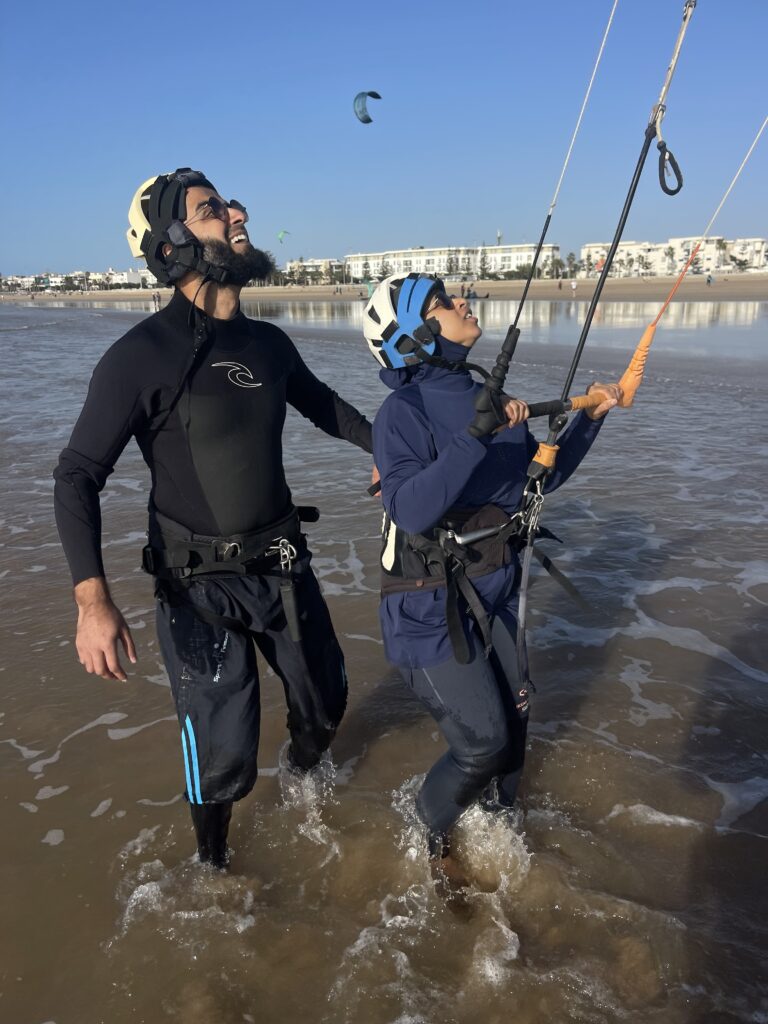
How Kitesurfing Start – Complete Beginner Guide to the Origins and Learning Process

1. Introduction – How Kitesurfing Start
The question of how kitesurfing start is both inspiring and fascinating.
Kitesurfing, also called kiteboarding, is a water sport that combines the thrill of surfing with the power of the wind.
Using a large kite to harness wind energy, riders glide across the surface of the ocean on a board, performing jumps, tricks, and long rides.
The modern sport we know today evolved from humble experiments by adventurous inventors who dreamed of using the wind for fun and freedom.
Whether you’re a curious beginner or planning to learn in places like Essaouira, understanding how kitesurfing start helps you appreciate its unique culture and spirit.
2. The History and Evolution of Kitesurfing
To truly understand how kitesurfing start, we need to go back in time. The concept of using kites for traction dates as far back as the 13th century in China, where people used kites to propel small boats.
However, it wasn’t until the late 20th century that the technology and curiosity aligned to create modern kitesurfing.
The Early Experiments
In the 1970s and 1980s, innovators like Gijsbertus Adrianus Panhuise from the Netherlands patented the first idea of “surfing with a parachute-type sail.”
This was the true beginning of how kitesurfing start in theory, but the equipment was bulky and unsafe.
The Legaignoux Brothers and the Inflatable Kite
French brothers Bruno and Dominique Legaignoux revolutionized the sport in 1984 when they created the first inflatable kite design.
This invention allowed easy water relaunch, making kitesurfing both practical and accessible.
Their design was later licensed to major brands such as Naish and Cabrinha, paving the way for commercial success.
The Rise of the Sport
By the late 1990s, how kitesurfing start became a global conversation.
Riders like Robby Naish, Lou Wainman, and Flash Austin began competing in international events, showing the world what was possible with a kite and a board.
Since then, the sport has exploded worldwide — from Tarifa in Spain to Cape Town in South Africa, and from Maui to Morocco — uniting a global community of passionate riders.
3. How Kitesurfing Start for Beginners
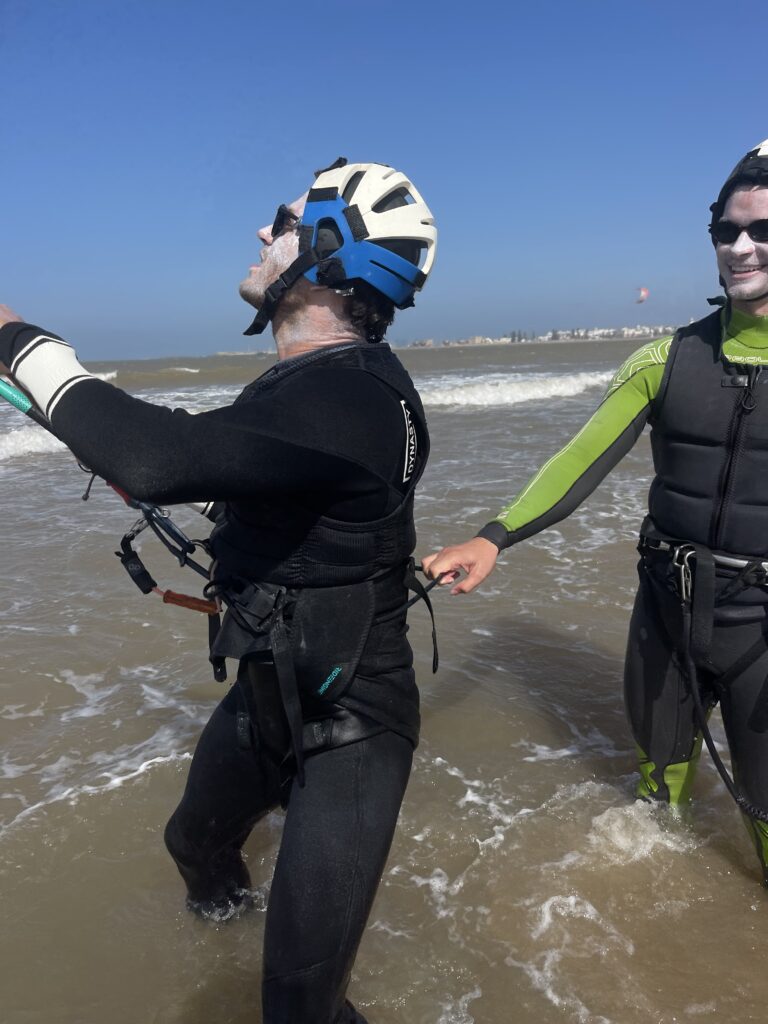
When we talk about how kitesurfing start for individuals, it means learning the step-by-step process of becoming independent on the water.
Kitesurfing is not just about strength — it’s about balance, control, and understanding the wind.
Step 1: Ground Control
Beginners start on land, learning how to handle a small training kite.
You’ll discover the “wind window” — the area in the sky where the kite flies safely — and practice moving the kite smoothly from side to side.
Step 2: Body Dragging
Once comfortable, you move to the water without a board.
The instructor teaches you body dragging — letting the kite pull your body through the water — which builds control and confidence before adding the board.
Step 3: Water Start
The water start is the most exciting phase of how kitesurfing start.
This is when you combine kite control and board handling to lift yourself up and ride.
It’s a skill that requires timing, power, and coordination — all things that can be mastered with a few lessons.
4. Equipment Needed to Start Kitesurfing
The equipment plays a crucial role in how kitesurfing start safely and effectively.
Beginners should always use gear suited to their size, skill, and wind conditions.
- Kite: The most important part of your setup. Beginners typically start with a medium-size kite (8–12m) depending on wind speed.
- Bar and Lines: Used to steer the kite. Always check that the lines are untangled and equal in length before launching.
- Harness: Connects you to the kite. A seat harness is great for comfort and control for beginners.
- Board: Usually a twin-tip board, allowing you to ride in both directions.
- Safety Leash: Keeps you connected to the kite during crashes or emergency releases.
- Helmet and Impact Vest: Essential for protection during your early sessions.
You can rent all of this equipment from certified schools like ION Club Essaouira or KiteWorldWide Morocco, ensuring quality and safety.
5. Basic Techniques – How Kitesurfing Start Practically
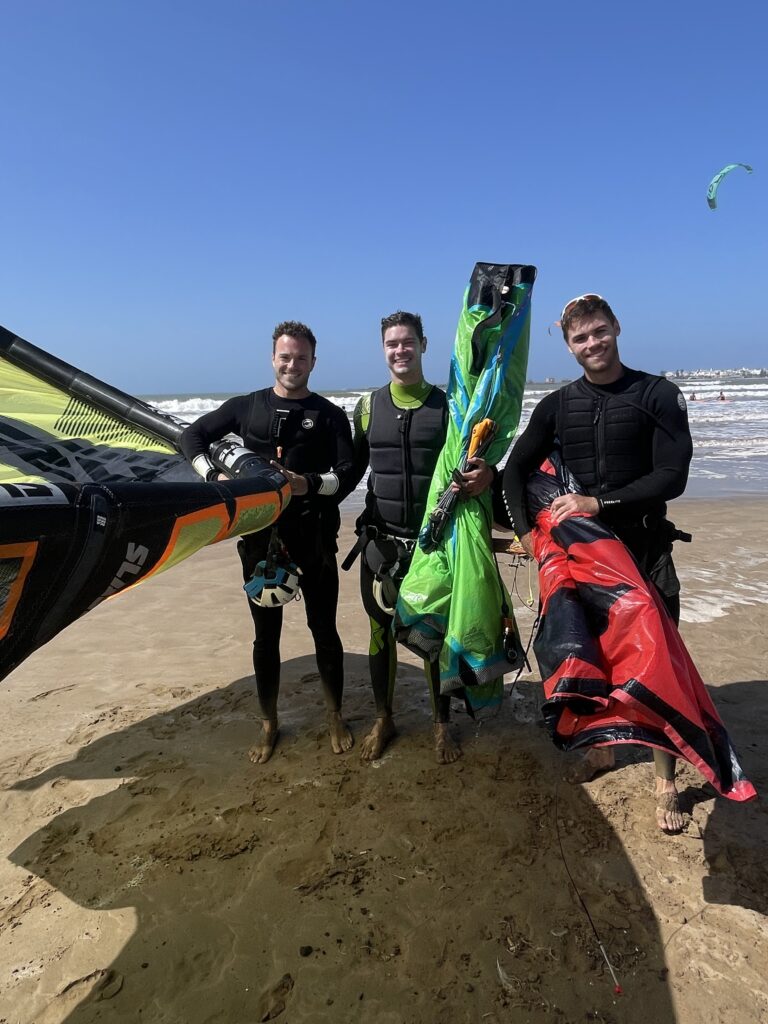
Learning how kitesurfing start is all about mastering technique rather than brute strength.
Every beginner should focus on these key fundamentals:
Understanding the Wind
The wind is your engine. Learn to recognize its direction and strength before launching.
Avoid offshore winds when starting, as they can carry you away from the beach.
Power Control
Power is controlled by the bar. Pulling it in increases power; pushing it out decreases it.
Fine control helps prevent sudden pulls or crashes.
Board Position
Keep the board across the wind, knees bent, and weight evenly distributed.
Your first rides should be short and downwind to build confidence.
6. Training Levels and Learning Path
Most kitesurf schools follow the IKO (International Kiteboarding Organization) system to structure how kitesurfing start for new learners.
- Level 1 – Discovery: Learn about wind theory, safety, and kite control on land.
- Level 2 – Intermediate: Practice body dragging and water starts with assistance.
- Level 3 – Independent: Ride both directions and learn how to relaunch and recover the board.
- Level 4 – Advanced: Begin transitions, jumps, and tricks once confident.
Depending on your progress and wind conditions, it takes about 6–12 hours of lessons to ride independently.
7. Learn How Kitesurfing Start in Essaouira
The coastal town of Essaouira in Morocco is one of the best places to experience how kitesurfing start.
With its year-round wind, wide sandy beaches, and professional instructors, Essaouira offers a safe and enjoyable environment for all levels.
The city’s main bay provides flat, shallow water — ideal for your first water starts.
You can also explore nearby spots like Sidi Kaouki and Moulay Bouzerktoun for advanced wind conditions.
Essaouira isn’t just about the sport — it’s a cultural experience.
After your session, you can enjoy Moroccan cuisine, wander the UNESCO-listed medina, or relax with a mint tea while watching the sunset.
8. Safety Tips and Best Practices
Kitesurfing is incredibly fun but requires responsibility.
Safety is at the heart of how kitesurfing start successfully. Follow these essential guidelines:
- Take lessons only from certified instructors.
- Check weather forecasts and wind strength before each session.
- Always use safety gear — helmet, vest, and leash.
- Stay clear of obstacles and crowded swimming zones.
- Learn the self-rescue technique early on.
- Never kite alone — always have a buddy or instructor nearby.
By following these rules, you’ll build confidence while staying safe.
9. Why Learn How Kitesurfing Start – The Benefits
Understanding how kitesurfing start isn’t just about technique — it’s about unlocking a lifestyle.
Kitesurfing offers physical, mental, and emotional benefits that go far beyond the water.
- Fitness: It improves strength, balance, and coordination.
- Stress Relief: The connection with nature helps reduce anxiety and boost mood.
- Travel: Kitesurfing connects you to a global community and takes you to stunning beaches worldwide.
- Confidence: Every new skill mastered gives a sense of accomplishment and empowerment.
10. Conclusion – How Kitesurfing Start and Why It Matters
Now that you know how kitesurfing start, both historically and practically, you can see how this sport combines innovation, freedom, and adventure.
From the early dreamers who first imagined kite power to the passionate riders in Essaouira today, kitesurfing represents the human desire to merge with nature’s energy.
Whether you’re watching from the beach or preparing for your first lesson, remember that every expert once stood where you are — curious, inspired, and ready to learn how kitesurfing start.
So grab your harness, feel the wind, and let the journey begin!
